HearMe
Digitalized Mayo Clinic's PRO-CTCAE process
In this project, I work with Mayo Clinic clinicians to solve the real-world problem of PRO-CTCAE.
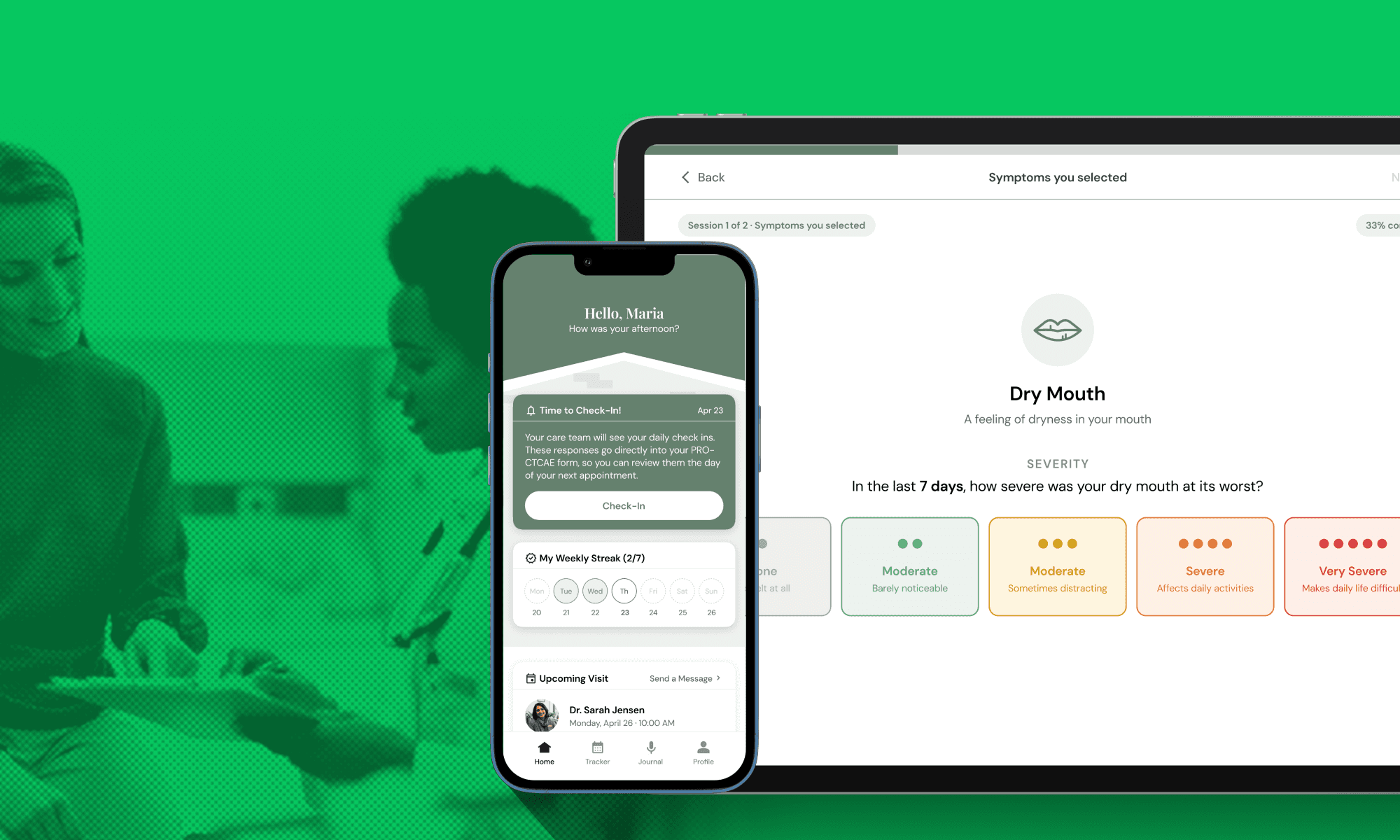
Digitalized the paper-based PRO-CTCAE and improved the workflow.
MY ROLE
UX Research
UXUI Design
Prototype
PLATFORM
Responsive Web
Mobile
TIMELINE
Jan - May 2026
CONTEXT
PRO-CTCAE is a medical survey for patients to track their quality of life during medical treatment.

PROBLEM
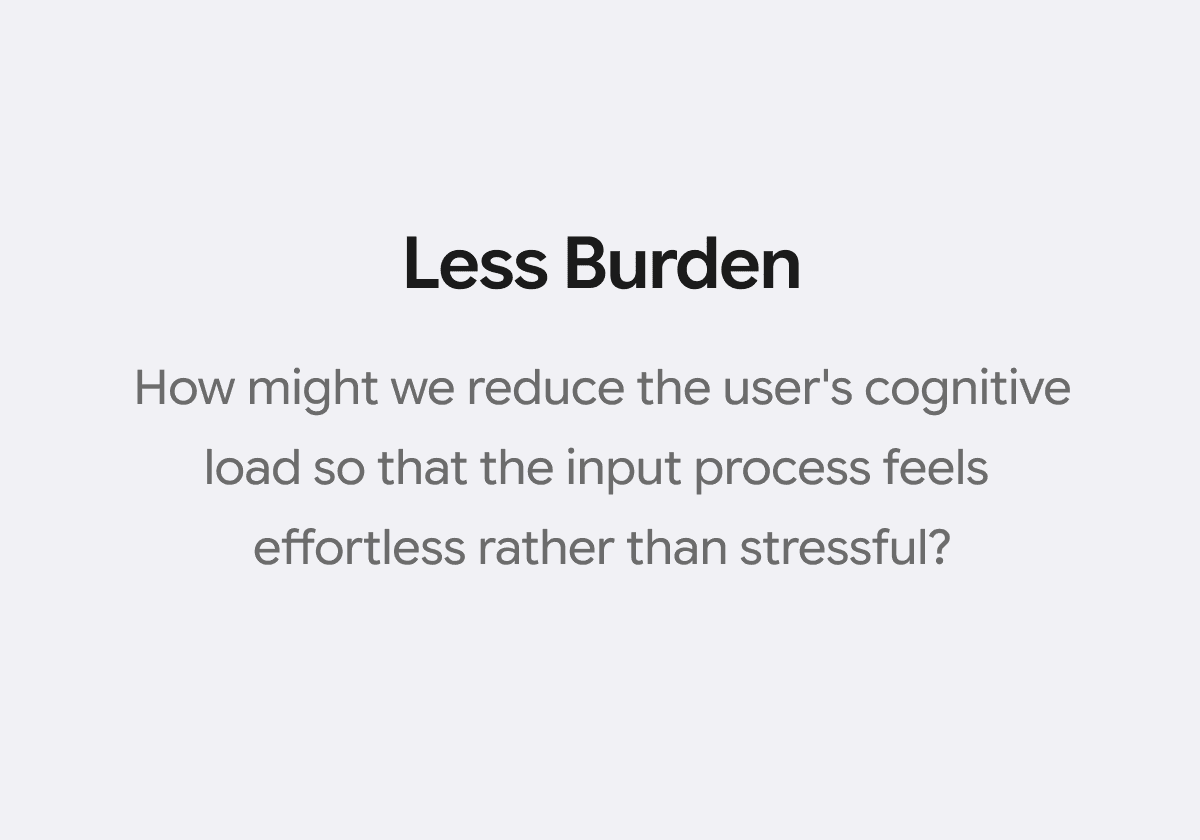
① Exhausted Patients, Endless Questions
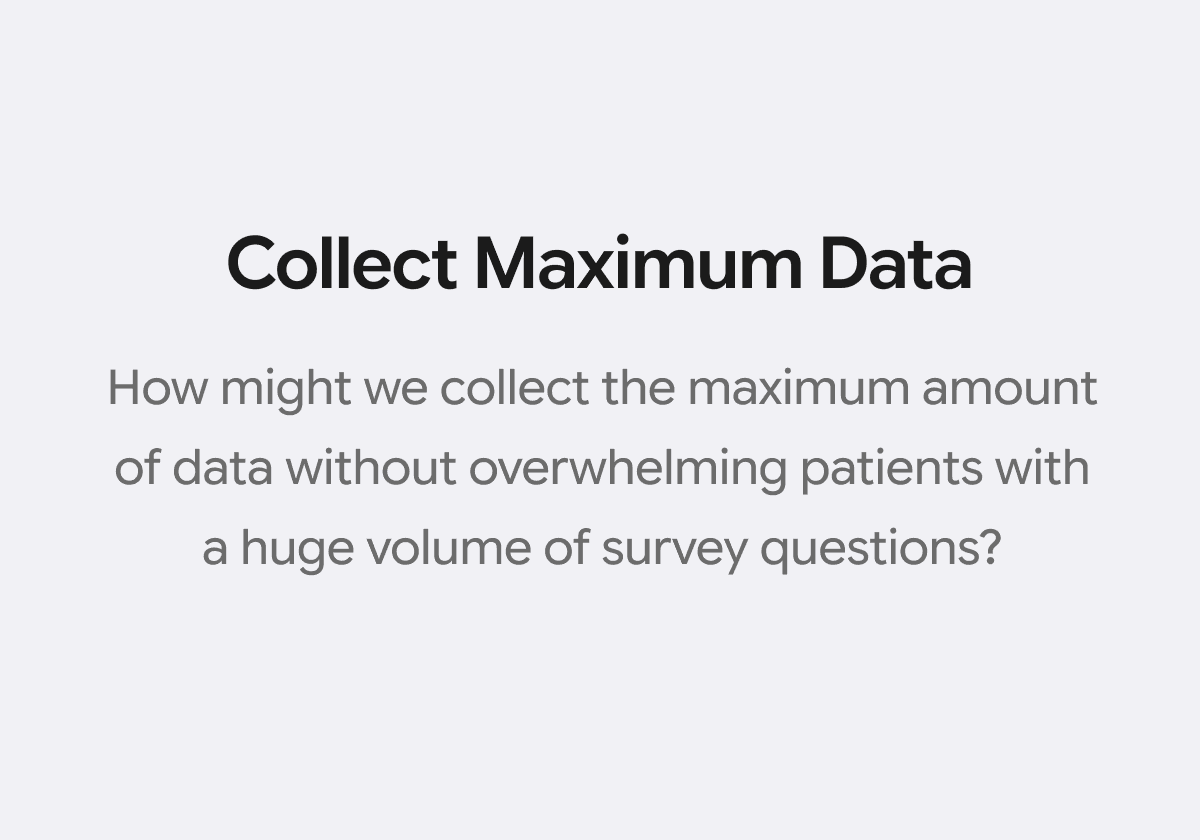
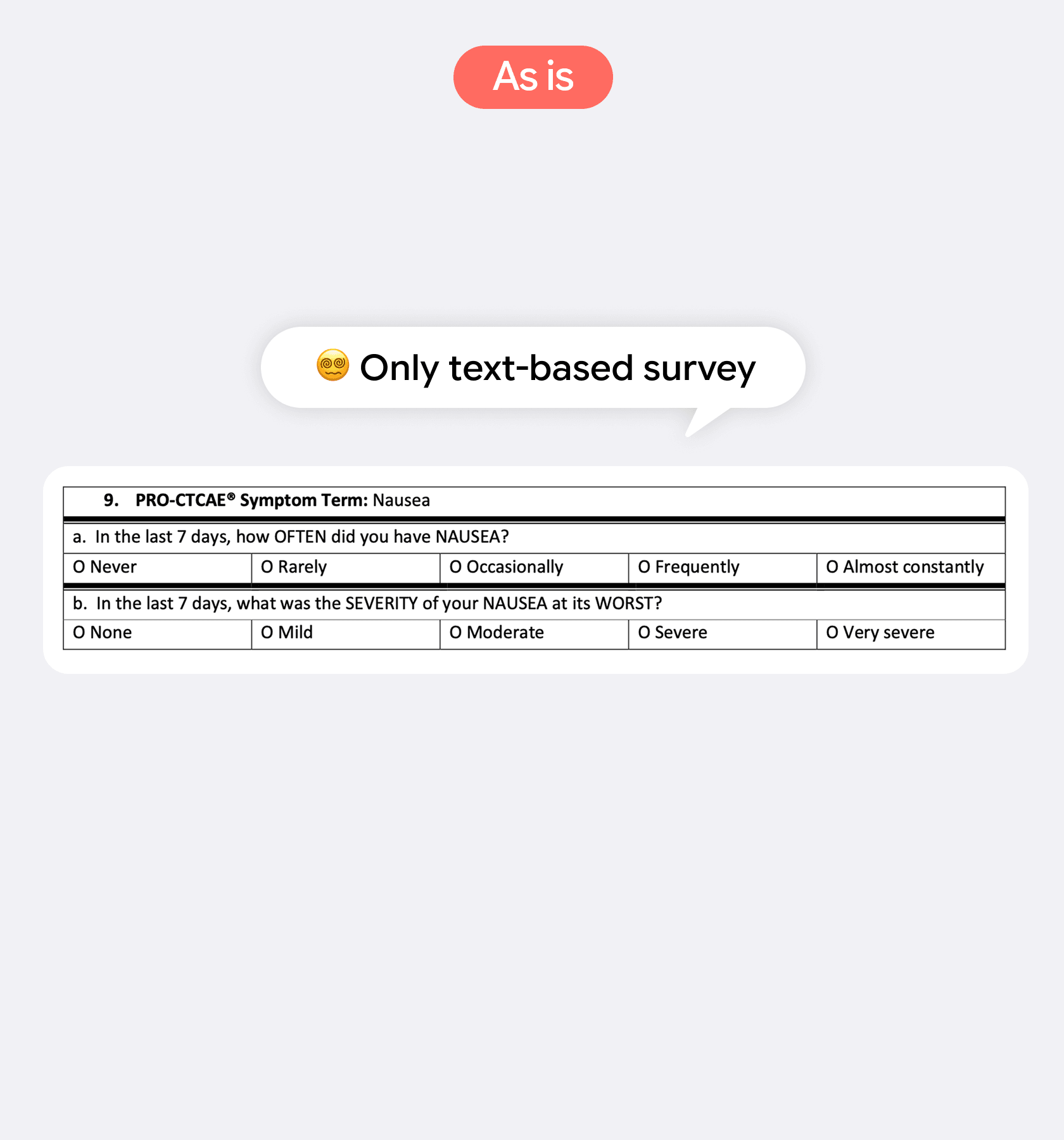
PRO-CTCAE consists of over 80 questions that patients must complete during every hospital visit. Because all questions are required, none can be skipped.
However, patients are often tired and uncomfortable at the time of completion, making the lengthy survey experience physically and mentally burdensome.

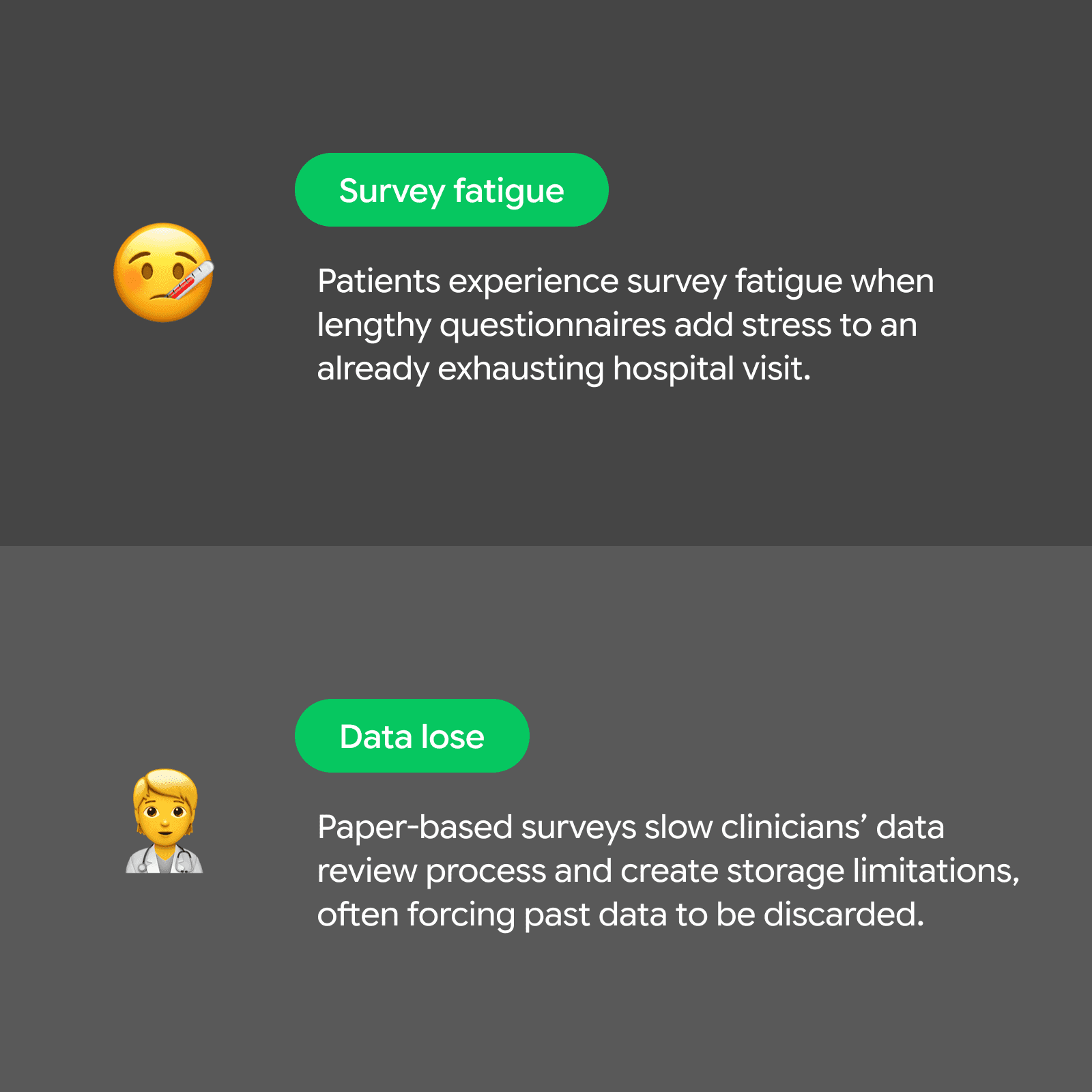
② Outdated Paper Surveys Causing Data Loss
Paper-based surveys burden both patients and data clinicians.
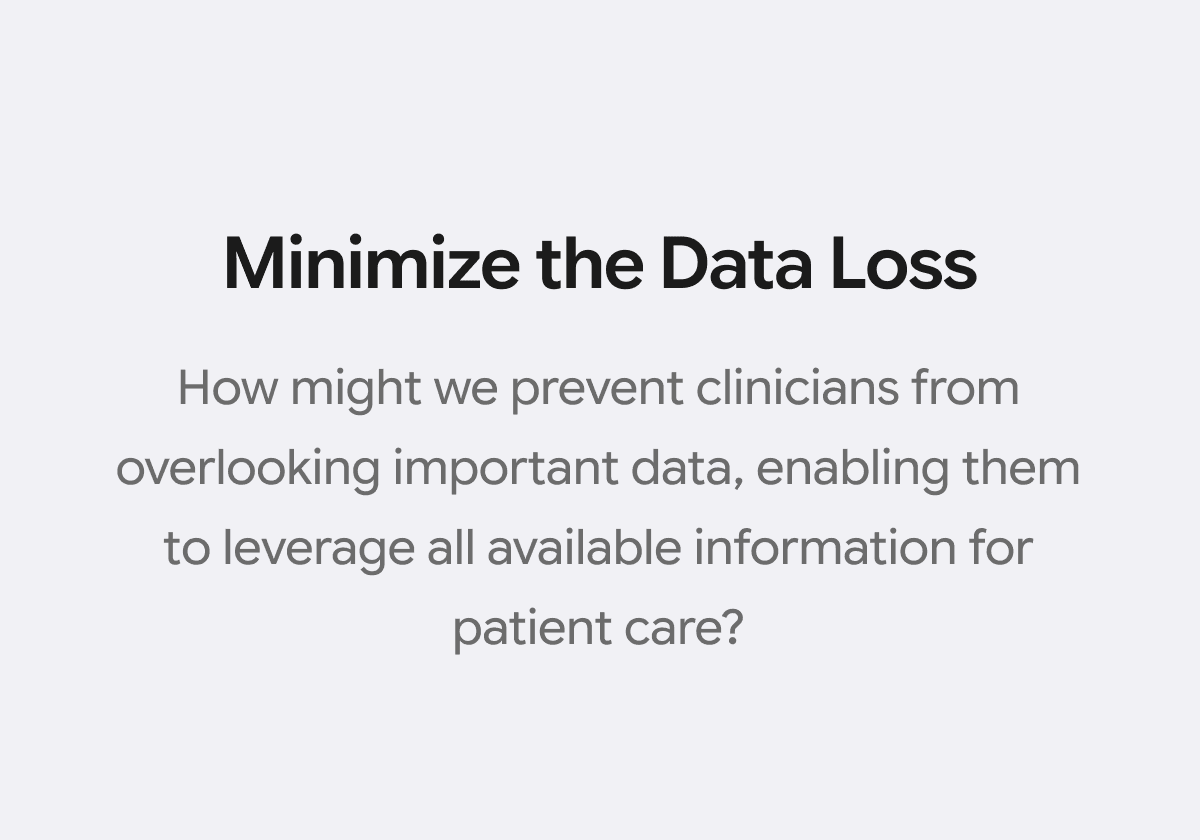
Handwritten responses require manual review, slowing down analysis and increasing workload. Because physical forms are difficult to store and manage, many are discarded over time, resulting in significant data loss.
LITERATURE REVIEW
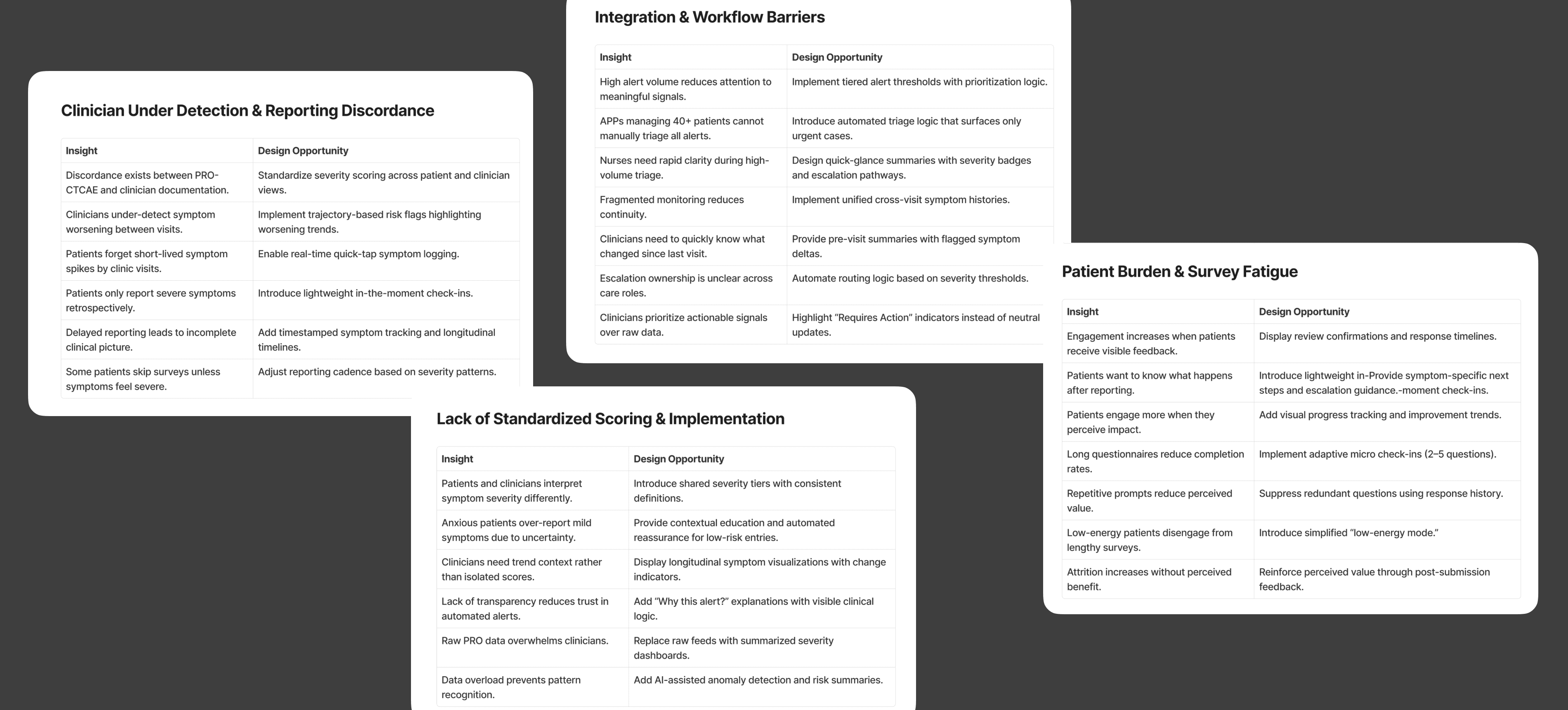
Synthesized findings from 10+ papers to reveal
key insights and design opportunities.
To fully understand the complex problem, conduct a review of 10+ research papers on PRO-CACAE and survey engagement rates. Through this process, identify existing solutions or uncover new aspects of the underlying pain points.
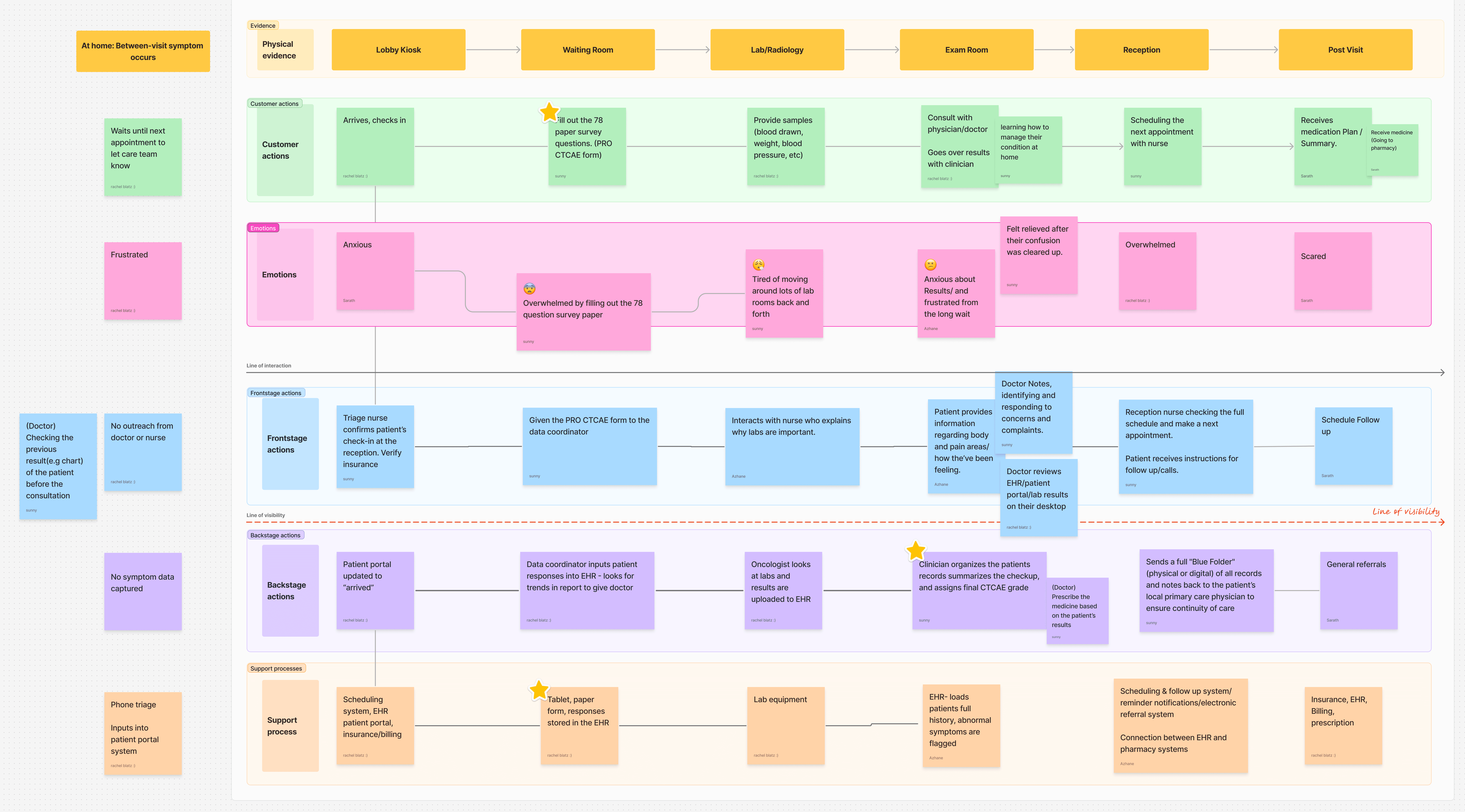
SERVICE BLUEPRINT
Created a service blueprint to uncover and align the complex needs of patients and key stakeholders.
The PRO-CTCAE process involves multiple stakeholders, some visible and others behind the scenes. Understanding these steps was essential to accurately map Mayo Clinic’s workflow and identify meaningful design opportunities.
KEY CHALLENGE
CORE CHALLENGES
SOLUTION
① Less reading, faster understanding
Research by NNGroup shows that users read only 20% of text on a screen. The existing PRO-CTCAE questionnaire overwhelmed users with lengthy descriptions. To fix this, I replaced the complex text with symptom illustrations and descriptive Likert scale labels — helping users understand information faster and more intuitively.

② Restructured personalized workflows
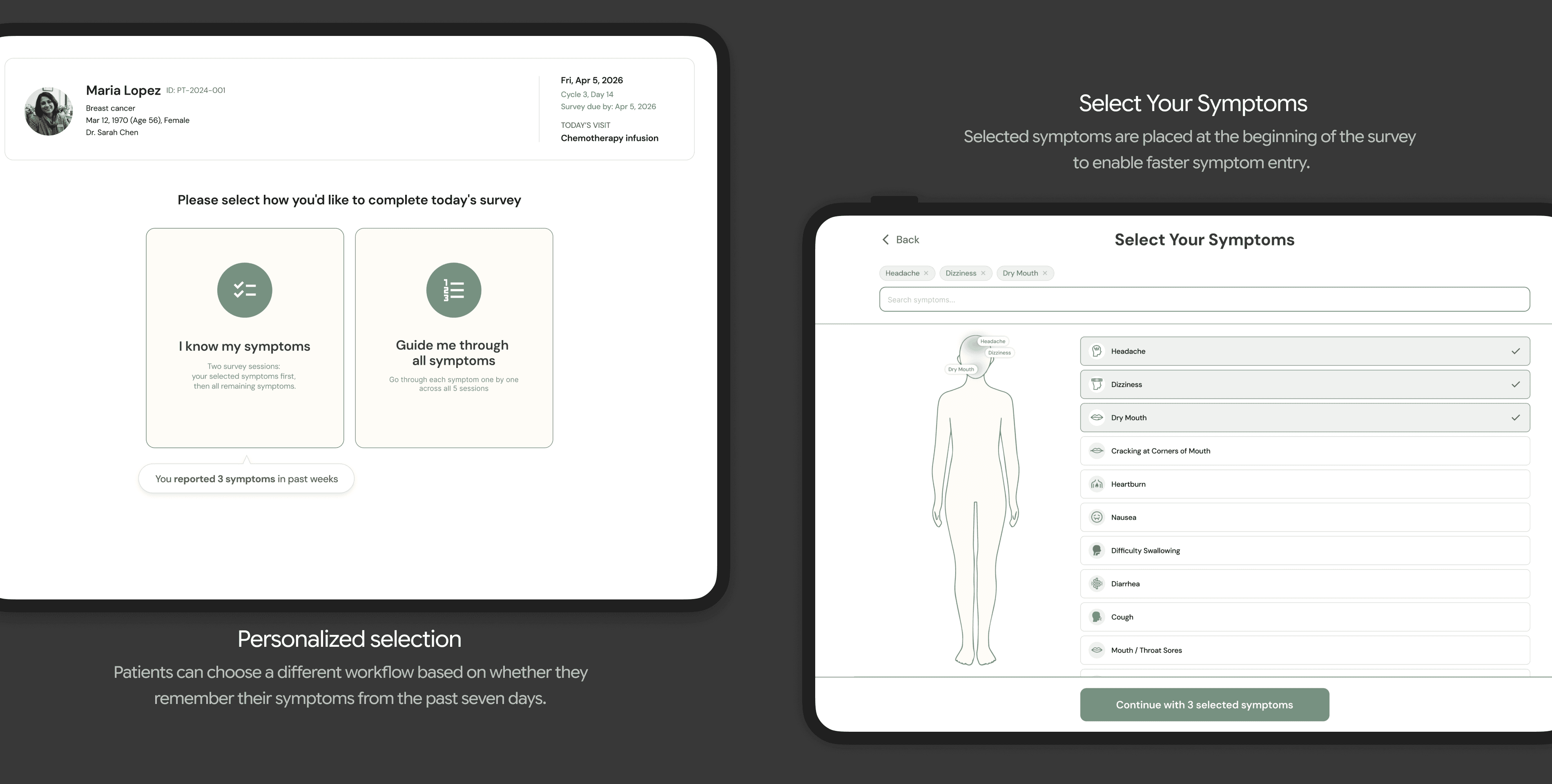
The existing paper-based survey followed a simple but inefficient workflow, requiring users to spend unnecessary time checking symptoms. The redesigned workflow first identifies whether users already know their symptoms, reducing unnecessary steps and improving efficiency.

IMPACT

